Influence Without Rank:
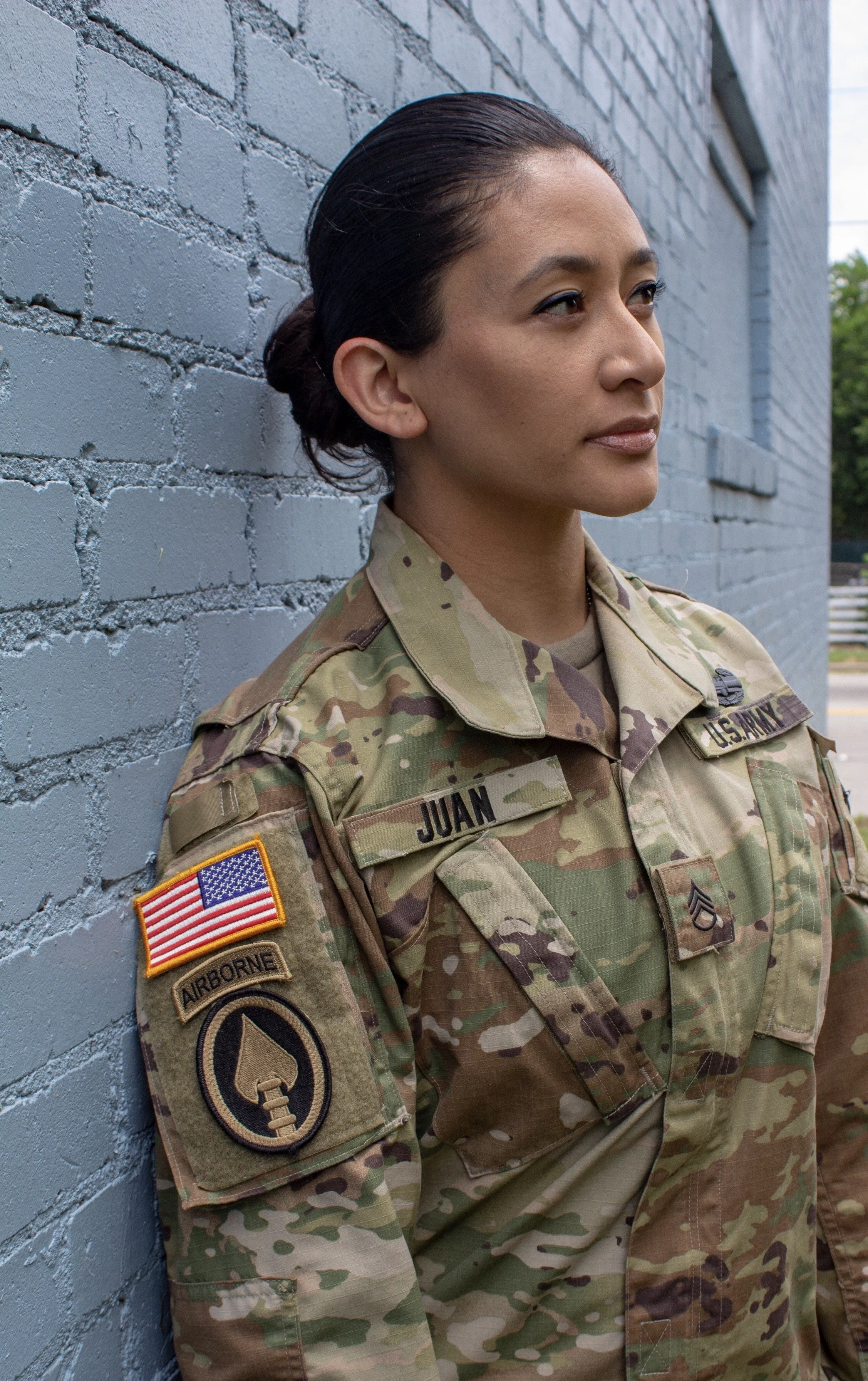
Before I learned how to lead in war, I learned how power sounded in a car.
My father would roll down the window at the gate to our compound in Bahrain, say the right words in the right tone, and the steel would lift.
At the time, I had no language for what that taught me.
Only the body-level version.
Relief. Permission. Access.
Later I would learn that some of the most important rooms in a life work the same way. Not literally, but structurally. Someone is at the gate. Someone decides what counts. Someone determines whether your voice belongs there, whether your value makes sense to the room, whether your presence feels natural or has to survive suspicion before it can be trusted.
A lot of leadership advice pretends those rooms do not exist.
I have never had that luxury.
Some of the most important lessons I learned about trust, influence, and leadership came in spaces where I had no formal power, no automatic belonging, and no guarantee that the people around me wanted me there in the first place.
That is still the kind of leadership I trust most.
× × ×
Authority is not the same thing as influence.
The military teaches hierarchy with brutal clarity. Who has rank. Who does not. Who speaks first. Who gets briefed. Who gets believed before they have proven anything at all.
But some of the most important environments I have ever worked in taught me something more complicated than that.
Rank can open a door. It cannot make people trust you.
Title can create compliance. It cannot make people honest.
Authority can establish order. It cannot always create safety.
I have been in rooms where the highest-ranking person was not the one people told the truth to. I have been in rooms where leadership looked settled on paper while credibility was still being negotiated underneath it. I have also been in rooms where the person with the least obvious power became the one everyone eventually turned toward because she made the space honest enough for reality to enter.
That is a different kind of influence.
It matters in every field, not only the military.
It matters in companies. On teams. In media. In nonprofit work. In any environment where trust, communication, and decision-making are happening under pressure.
× × ×
You can feel a room before you can define it.
One of the stranger parts of being underestimated is how quickly you learn to read atmosphere.
Who is skeptical over who is threatened.
Who is waiting to see whether you will overperform, underperform, or disappear.
And who has already decided what you are before you have opened your mouth.
That kind of awareness can wear a person out if she lives inside it too long.
It can also become useful.
I do not mean useful in the manipulative sense. I mean that when you spend enough time moving through rooms that were not designed with you in mind, you become highly attuned to what people need before they trust, what they fear before they listen, and what your own body is doing in response long before your mind has formed a clean conclusion.
That awareness has shaped nearly every meaningful leadership lesson I carry now.
Not the polished version. The actual one.
Presence matters more than posture.
Credibility is built in the nervous system before it is ever acknowledged in an org chart.
Some people will not hear you until you stop trying so hard to sound like someone they already recognize.
In high-stakes rooms, the body often knows the truth of the culture before the mission statement does.
× × ×
The best leaders do not just command a room. They change what becomes possible inside it.
I have spent enough of my life in systems shaped by hierarchy to know that some rooms admit you before they respect you.
Some study you before they trust you, while some tolerate you before they realize they need you. Some never fully rearrange themselves around your presence, no matter how competent you are.
That does not mean you cannot lead there.
It means you need a more honest definition of leadership.
Not domination or charisma. Not the ability to sound certain while everyone else nods.
I mean the ability to create movement where there was tension. The ability to make truth more reachable. The ability to hold enough steadiness that other people can stop performing long enough to tell you what is actually happening.
That kind of leadership rarely looks glamorous in the moment.
More often, it looks like listening longer than everyone else. It looks like noticing what the room is not saying. It looks like understanding that people do not tell the truth when they feel managed. They tell it when they feel safe enough to stop performing.
That distinction matters everywhere. In military spaces, yes.
It matters just as much in companies where people are overfunctioning, burned out, misaligned, or afraid to say what is actually not working.
A team can look high-performing on paper and still be full of people protecting themselves from the truth.
No strategy survives that for long.
× × ×
Trust begins where performance ends
This may be the lesson I return to most often.
There have been many times in my life where performance worked. It got me in the room. It helped me survive. It made me legible enough to move through systems that reward composure, speed, polish, and authority.
But trust is not built the same way performance is.
Trust does not deepen because you looked impressive.
It deepens because the other person felt, often wordlessly, that they no longer had to manage themselves as tightly in your presence.
That is a different kind of power.
Too many leaders miss it because it is quieter than charisma and harder to measure than confidence.
That is especially true in military culture. It is true in corporate culture too, where executive presence is often treated as if it were the same thing as integrity. It is not.
Some of the best leaders I have known were not the loudest people in the room. They were the ones who understood how to lower the pressure enough for reality to enter. They knew that people do not tell the truth when they feel watched for error. They tell it when they feel met.
That has changed the way I think about voice.
Not only what a voice sounds like, but what it permits.
Does your presence tighten the room, or make it more honest. Do people leave feeling managed, or met. Do they trust your title, or do they trust you.
Those are different things.
× × ×
Access is not belonging
This is another distinction I had to learn the hard way.
You can be invited in and still not belong.
Even though you’ve been included, you can still feel the terms of that inclusion pressing against your body.
You can earn access, prove value, gain trust, and still feel how temporary all of it is if it depends entirely on usefulness.
That has been true in military spaces. In media spaces. In creative spaces. In corporate spaces.
It is one reason I care so much now about the difference between access, trust, and belonging.
Access gets you through the gate. Trust lets the real conversation begin.
Belonging is something deeper. Slower. Less conditional.
A lot of people burn themselves out confusing the first with the third.
I have done that too.
I have stayed too long in rooms that admired what I could do without ever becoming places where my body could actually rest.
That is not a failure of ambition. It is often the cost of learning to survive inside systems that reward usefulness long before they offer warmth.
Once you know the difference, you can start making better decisions.
Not only: Can I succeed here.
But: Can I stay human here.
That is a better leadership question. It is a better culture question too.
The best organizations are not the ones that only know how to extract high performance.
They are the ones that make sustained truth-telling possible.
× × ×
What I would tell anyone trying to lead without permission
Stop waiting to feel fully sanctioned.
Some of the most important work you will do will happen before the room knows what to call you.
Learn the difference between proving and building.
Proving is exhausting. It may be necessary for a while, but it cannot be the foundation of your leadership. Building is slower. It is about trust, consistency, language, pattern, and the kind of credibility that deepens because people feel more honest around you over time.
Pay attention to what your body knows.
If a room is asking you to sever yourself from your own perception in order to stay there, that is not leadership. That is adaptation in the service of someone else’s comfort.
Understand that influence is not always visible in the moment.
Sometimes it looks like being the person someone finally tells the truth to. Sometimes it looks like creating a shift no one else can quite name. Sometimes it looks like being underestimated right up until the point where the room realizes it has been relying on you all along.
And remember this:
Just because a room opens does not mean it is home.
You are allowed to learn from a room, serve inside it, build something useful there, and still decide that your voice was never meant to live only within its terms.
That has been one of the deepest lessons of my life.
Not just how to get in.
How to know what to do once I’m there.
× × ×
Why this matters to me now
Because I no longer believe leadership is only about command.
I think it is also about translation.
About trust. About witness.
About knowing how to carry a truth across power without flattening it into something safer or more convenient than it really is.
Because I have spent enough of my life in rooms that were measuring me before they were listening, I care deeply now about the kind of leadership that does not require total self-erasure just to be considered valid.
The kind that can hold strength and softness in the same body. The kind that understands the difference between authority and integrity. The kind that makes more truth possible, not less.
That is the kind of leader I trust.
It is the kind I keep trying to become.
If you’re looking for a speaker on leadership, trust, storytelling, resilience, or influence without rank, you can explore my speaking topics
